இந்த பகுதியில், நாமும் Module 5-ல் முதன்முதலில் அறிமுகப்படுத்தப்பட்ட இரண்டு மிக முக்கியமான பகுதிகள் (மற்றும் பங்கேற்பாளர்கள்) குறித்து மேலும் விரிவாக பார்க்கப் போகிறோம்:
Bitcoin Nodes: சரிபார்ப்பு காவலாளிகள், இவர்களின் முக்கிய பணி Bitcoin கணக்கேடின் ஒரு நகலை வைத்திருப்பதும், அனைத்து பரிவர்த்தனைகளும் செல்லுபடியாக உள்ளனவா என்றும், அனைவரும் ஒரே விதிமுறைகளை பின்பற்றுகிறார்களா என்றும் உறுதி செய்வதுமாகும். இந்தப் பொறுப்பை உலகம் முழுவதும் பலர் பகிர்ந்து செய்வதால், மையப்படுத்தப்பட்ட அதிகாரம் இல்லாமல், ஏமாற்றத்துக்கு எதிராக Bitcoin வலுவாக இருக்கிறது. Nodes, ஒருவருக்கும் அல்லது ஒரு குழுவுக்கும் அதிக அதிகாரம் இல்லாத, மையமற்ற பண்பை பாதுகாக்க உதவுகின்றன.
Bitcoin Miners: பாதுகாப்பின் வடிவமைப்பாளர்கள், சக்திவாய்ந்த கணினிகள் மற்றும் மின்சாரம் பயன்படுத்தி குறியாக்க புதிர்களை தீர்க்கிறார்கள். அவர்கள் பரிவர்த்தனைகளை சரிபார்த்து உறுதிப்படுத்துகிறார்கள், அனைத்தும் பாதுகாப்பாக இருக்குமாறு பார்த்துக்கொள்கிறார்கள். அவர்களின் கணிப்பொறி வேலை, கணக்கேடு (அல்லது blockchain) எந்த தீய முயற்சிக்கும் எதிராக பாதுகாப்பாக இருக்க உதவுகிறது, ஏனெனில் blockchain-ஐ மாற்ற முயற்சிப்பது அதிக மின்சார செலவாகும்.
Bitcoin nodes மற்றும் miners இருவரும் சேர்ந்து ஒரு குழுவாக செயல்பட்டு, மையமற்ற, பாதுகாப்பான மற்றும் வலுவான அமைப்பை பராமரிக்கின்றனர் — இது உலகம் முழுவதும் மக்கள் நம்பிக்கையுடன் பயன்படுத்தக்கூடிய ஒரு புதுமையான நாணய அமைப்பு. இப்போது, இந்த வேடங்கள் எப்படி Bitcoin நெறிமுறைக்கு பங்களிக்கின்றன என்பதை மேலும் விரிவாக ஆராய்வோம்.
9.1பிட்காயின் நோட்கள் மற்றும் மைனர்கள்
Bitcoin nodes may sound technical, but they are simply software that keeps a copy of the Bitcoin blockchain on a computer. The blockchain is a shared record of all Bitcoin transactions.
When you run your own node, you verify Bitcoin transactions yourself instead of trusting someone else. This gives you more independence and helps keep the Bitcoin network decentralized.
You can think of a Bitcoin node as a digital traffic officer with a few important jobs.
It keeps a copy of the blockchain, which is the history of all Bitcoin transactions.
Nodes connect with other nodes around the world and share information. One example is the list of new transactions waiting to be confirmed, which is called the mempool.
Nodes check that every transaction follows Bitcoin’s rules. If a transaction is invalid, the node rejects it.
Nodes also help new nodes join the network by sharing the blockchain with them. However, every new node still checks all the rules independently.
Anyone can run a node by installing software such as Bitcoin Core and downloading the blockchain. Once it is set up, the node continues to receive new blocks roughly every 10 minutes and verifies them before adding them to its copy of the blockchain.
Running a node helps make the Bitcoin network more secure and decentralized, because more people are independently verifying the system.
What Is a Bitcoin Node?
The purpose of mining is not the creation of new bitcoin; that’s the incentive system. Mining is the mechanism by which Bitcoin’s security is decentralized. Andreas M. Antonopoulos
Miners collect unconfirmed transactions, form a block, and use energy to find a key that adds and secures the block.
Miners compete to add the next block of transactions to the blockchain. To do this, they must find a special number that creates a valid block hash. You can imagine it like searching for the right key among billions of possibilities. The first miner to find the correct hash wins the race and earns the right to add their block to the blockchain.
When a miner finds a valid hash, they share their block with the network. Other miners quickly verify that the solution is correct. If it is, the block is added to the blockchain, helping keep Bitcoin’s public ledger secure.
Miners earn bitcoin in two ways:
Block rewards: New bitcoin are created and given to the miner who successfully adds a block to the blockchain.
Transaction fees: When people send bitcoin, they include a small fee. The miner who adds the block receives the fees from the transactions included in that block.
Bitcoin Halvings
2009
2012
2016
2020
2024
50 BTC
25 BTC
12.5 BTC
6.25 BTC
3.125 BTC
Miners’ rewards for completing one block halve every 210,000 blocks, about every four years.
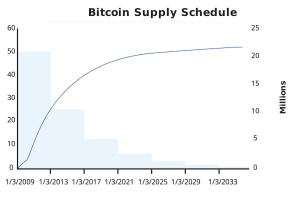
Bitcoin has a fixed maximum supply of 21,000,000 bitcoin, but all of them were not created when Bitcoin started. Instead, new bitcoin are gradually introduced into circulation through mining.
When miners successfully add a new block of transactions to the Bitcoin network, they receive a block reward in bitcoin. In the early days of Bitcoin, this reward was 50 bitcoin per block. This reward encouraged people to use computing power and electricity to help secure the network.
About every 210,000 blocks (roughly every 4 years), the block reward is cut in half. This event is called the halving. The halving slows down the creation of new bitcoin and helps ensure that the total supply will never exceed 21 million. Over time, this makes bitcoin increasingly scarce.
Circulating supply refers to the total available amount of a currency. With Bitcoin, the total circulating supply is the number of coins that have been mined and are incirculation at any given time.
The Bitcoin supply schedule is the predetermined and public plan for the release of new bitcoin into circulation, designed to maintain Bitcoin’s scarcity over time.
After each halving event, the bitcoin reward that miners receive for adding a block is cut in half. This reduces the rate at which new bitcoins are created.
Miners still earn transaction fees from the transactions included in the block they mine. Over time, these fees are expected to become a larger part of miners’ income.
Halvings are built into the Bitcoin protocol and happen automatically about every four years. Because of this, Bitcoin’s supply schedule is predictable and transparent.
The table shows upcoming halvings, including the approximate date, the block number when they occur, the new block reward, and the percentage of the total bitcoin supply that will have been mined.
Event
Date
Block
Reward
Mined
5th Halving
2028
1,050,000
1.5625 BTC
98.44 %
6th Halving
2032
1,260,000
0.78125 BTC
99.22 %
7th Halving
2036
1,470,000
0.390625 BTC
99.61 %
As more bitcoin are mined, the circulating supply keeps increasing until the maximum supply of 21,000,000 bitcoins is reached, which is expected around the year 2140. Because fewer new bitcoins are created over time, if demand increases, the price of Bitcoin can rise. This also encourages miners to keep securing the network by contributing their computing power.
What is a valid block hash in Bitcoin?
In Bitcoin, miners compete to find a special code called a block hash. This code identifies a block of transactions and allows it to be added to the blockchain.
Each block contains information about recent transactions and also includes the hash of the previous block. This links every block together, forming a chain from the very first block (the Genesis Block) to the most recent one.
A hash works like a digital fingerprint for the data in the block. If any information in the block were changed, the fingerprint would change as well. This makes it easy for anyone to verify that the blockchain’s transaction history has not been altered and helps keep the network secure.
Satoshi Nakamoto, the creator of Bitcoin, mined the Genesis Block, which unlocked a total of 50 bitcoin.
The Race to Mine a Block
Miners compete to find a valid block hash. The first miner to find one gets to add the new block to the blockchain and receive a bitcoin reward.
To be valid, the block’s hash must be lower than a number set by the network called the difficulty target. Because hashes are random, miners must keep trying different inputs until they find one that works.
If too many miners are competing, blocks would be found too quickly. If too few miners are participating, blocks would take too long to find. To keep the system running smoothly, Bitcoin automatically adjusts the difficulty every 2,016 blocks (about every two weeks).
This adjustment ensures that, on average, a new block is added to the blockchain about every 10 minutes.
The difficulty level in Bitcoin mining measures how hard it is to find a valid block hash. The network adjusts this difficulty every 2,016 blocks (about every two weeks) so that new blocks are added to the blockchain about every 10 minutes. The higher the difficulty, the harder it is for miners to find a valid block.
By finding a valid block hash, a miner proves they have done the work required to add a new block to the blockchain. This process is called Proof of Work (PoW). It is the security mechanism that allows Bitcoin to confirm transactions and add new blocks to the blockchain. The miner who finds the valid hash first earns a reward in bitcoin, which includes the block reward and the transaction fees from the transactions included in that block.
Proof of Work (PoW) helps keep Bitcoin secure by making it extremely expensive for anyone to try to cheat or take control of the network. Instead, it is far more profitable to follow the rules.
Miners play four main roles:
Collect transactions: Miners choose transactions that have been sent to the network and place them into a candidate block.
Perform Proof of Work: Miners compete to solve a difficult mathematical puzzle by finding a valid block hash.
Broadcast the block: The first miner to find a valid solution shares the new block with the network.
Earn rewards: If the block is valid, it is added to the blockchain and the miner receives newly created bitcoin plus transaction fees.
Many miners around the world try to create the next block at the same time. When one miner finds a valid solution, the network checks the block. If everything is correct, it is added to the blockchain. Other competing blocks are discarded. This process keeps the network in agreement and prevents double-spending.
Miners are computers that help maintain and update Bitcoin’s ledger.
They collect transactions and group them into a block. Then they run the block’s data through a hashing algorithm to create a unique code called a hash.
Miners repeat this process many times, searching for a hash that meets Bitcoin’s rules. The first miner to find a valid hash gets newly created bitcoin as a reward, and their block is added to the blockchain.
Each block’s hash also connects it to the previous block. If someone tried to change a past transaction, the hashes would no longer match, and the network would reject the altered chain. This is what keeps Bitcoin’s ledger secure.
9.2மெம்பூல் என்பது என்ன?
இந்த மெம்பூல், “memory pool” என்பதற்கான சுருக்கமாகும், இது Bitcoin பரிவர்த்தனைகளுக்கான ஒரு காத்திருக்கும் அறையைப் போல உள்ளது. நீங்கள் bitcoin அனுப்பும்போது, உங்கள் பரிவர்த்தனை முதலில் நெட்வொர்க்கில் ஒளிபரப்பப்படுகிறது மற்றும் மெம்பூலில் வைக்கப்படுகிறது.
இதை நீங்கள் ஒரு உணவகத்தில் வரிசையில் காத்திருப்பதைப் போல நினைக்கலாம். உங்கள் பெயர் ஒரு பட்டியலில் சேர்க்கப்படுகிறது, பின்னர் ஒரு மேசை கிடைக்கும் வரை நீங்கள் காத்திருக்க வேண்டும். அதேபோல், உங்கள் பரிவர்த்தனை மெம்பூலில் காத்திருக்கிறது, ஒரு மைனர் அதை ஒரு பிளாக்கில் சேர்க்கும் வரை.
Bitcoin நோட்கள் ஒவ்வொரு புதிய பரிவர்த்தனையையும் சரிபார்க்கின்றன, அது செல்லுபடியாக உள்ளதா மற்றும் செலவழிக்கப்படும் bitcoin ஏற்கனவே பயன்படுத்தப்பட்டதா என்பதை உறுதி செய்ய. பரிவர்த்தனை செல்லுபடியாக இருந்தால், அது உறுதிப்படுத்தப்படும் வரை மெம்பூலில் இருக்கும்.
மைனர்கள் மெம்பூலில் இருந்து பரிவர்த்தனைகளை தேர்ந்தெடுத்து அவற்றை புதிய பிளாக்குகளில் சேர்க்கின்றனர். பொதுவாக, அதிக கட்டணத்துடன் உள்ள பரிவர்த்தனைகள் முதலில் தேர்ந்தெடுக்கப்படுகின்றன.
ஒரு பரிவர்த்தனை பிளாக்கில் சேர்க்கப்பட்டவுடன், அது உறுதிப்படுத்தப்பட்டதாக ஆகிறது மற்றும் Bitcoin பிளாக்க்செயினில் நிரந்தரமாக பதிவு செய்யப்படுகிறது.
செயல்பாடு: மெம்பூலை ஆராய்வது
இந்த செயல்பாடு மாணவர்களுக்கு தொழில்நுட்ப அறிவு தேவையில்லாமல் பயன்படுத்தக்கூடிய ஒரு இலவச மற்றும் திறந்த மூல கருவியை அறிமுகப்படுத்துகிறது. இது ஆரம்ப நிலை முதல் அனுபவம் வாய்ந்தவர்களுக்குப் போதும், அனைத்து நிலை Bitcoin பயனாளர்களுக்கும் பயனுள்ளதாக உள்ளது.
முக்கிய அம்சங்கள்
மெம்பூல் என்பது ஒவ்வொரு Bitcoin நோடும் பராமரிக்கும் உறுதிப்படுத்தப்படாத பரிவர்த்தனைகளின் பட்டியலை குறிக்கிறது, இது ஒரு குறிப்பிட்ட சேவை அல்லது தளமாக அல்ல.
ஒரே, உலகளாவிய மெம்பூல் எதுவும் இல்லை. Mempool.space பலவற்றில் ஒன்றாகும்.
Mempool.space என்பது திறந்த மூலமாகும் மற்றும் பயன்படுத்த எளிதான காட்சி பிளாக் எக்ஸ்ப்ளோரராக பிரபலமாக உள்ளது. இது உறுதிப்படுத்தப்படாத பரிவர்த்தனைகள், கட்டண விகிதங்கள் மற்றும் பிற நெட்வொர்க் செயல்பாடுகள் பற்றிய நேரடி தரவை வழங்குகிறது.
மாணவர் குறிப்புகள்
Mempool.space பிளாக்குகளை காட்சிப்படுத்துவதற்கு மேல் பலவற்றை செய்கிறது. Bitcoin சூழலின் பிற பகுதிகளை ஆராயுங்கள்: உதாரணமாக, லைட்னிங், மைனிங், ஹாஷ் வீதம், பூல்கள் மற்றும் பிளாக் ஸ்பேஸ் "கண்ணாடிகள்".
9.3பரிவர்த்தனைகள் எப்படி செயல்படுகின்றன
இப்போது நீங்கள் பொது மற்றும் தனிப்பட்ட விசைகள், மற்றும் நோட்கள் மற்றும் மைனர்களின் பங்குகளைப் புரிந்துகொண்டுள்ளீர்கள், ஒரு Bitcoin பரிவர்த்தனை ஆரம்பத்திலிருந்து முடிவுவரை எப்படி செயல்படுகிறது என்பதை இங்கே பார்ப்போம்.
ஆதம், ஜெயராம் என்பவருக்கு bitcoin அனுப்ப விரும்புகிறார். அவர் ஜெயராமின் முகவரி, அனுப்ப வேண்டிய தொகை மற்றும் ஒரு கட்டணம் சேர்த்து ஒரு பரிவர்த்தனை உருவாக்குகிறார்.
ஆதம், உரிமையை நிரூபிக்க தனது தனிப்பட்ட விசையைப் பயன்படுத்தி பரிவர்த்தனையை கையொப்பமிடுகிறார்.
அவர் அந்த பரிவர்த்தனையை Bitcoin பிணையத்திற்கு ஒளிபரப்புகிறார்.
நோட்கள் அதை பெறுகின்றன மற்றும் அது விதிகளை பின்பற்றுகிறதா என்று சரிபார்க்கின்றன, இதில் கையொப்பத்தை சரிபார்ப்பதும், ஆதத்திடம் போதுமான bitcoin உள்ளதா என்பதும் அடங்கும்.
அது செல்லுபடியாக இருந்தால், பரிவர்த்தனை பிணையம் முழுவதும் பகிரப்படுகிறது மற்றும் mempool-இல் சேர்க்கப்படுகிறது, அங்கு நிலுவையில் உள்ள பரிவர்த்தனைகள் காத்திருக்கின்றன.
மைனர்கள் mempool-இல் இருந்து பரிவர்த்தனைகளை தேர்ந்தெடுத்து, தாங்கள் சுரங்கம் செய்ய முயற்சிக்கும் ஒரு பிளாக்கில் சேர்க்கின்றனர்.
ஒரு மைனர் வெற்றிகரமாக ஒரு பிளாக்கை சுரங்கம் செய்தால், அது பிணையத்தில் பகிரப்படுகிறது மற்றும் மற்ற நோட்கள் மூலம் சரிபார்க்கப்படுகிறது.
அது செல்லுபடியாக இருந்தால், அந்த பிளாக் blockchain-இல் சேர்க்கப்படுகிறது. ஜெயராம் bitcoin பெறுகிறார்.
மேலும் பிளாக்குகள் சேர்க்கப்படும்போது, பரிவர்த்தனைக்கு உறுதிப்பாடுகள் கிடைக்கின்றன, இது அதை மேலும் பாதுகாப்பாக மாற்றுகிறது.
ஒரு பிளாக்கில் சேர்க்கப்பட்டவுடன், பரிவர்த்தனை உறுதிப்படுத்தப்படுகிறது. ஆதம் அந்த bitcoin-ஐ மீண்டும் செலவழிக்க முடியாது, மற்றும் ஜெயராம் அவர் பெற்றதை புதிய பரிவர்த்தனையில் செலவழிக்க முடியும்.
பரிவர்த்தனை மற்றும் கட்டணம் தேர்வு செய்யப்பட்டது → வாலெட்டால் கையொப்பமிடப்பட்டு அனுப்பப்பட்டது → நோட்கள் மூலம் பகிரப்பட்டது → மைனர் பரிவர்த்தனையை பிளாக் வடிவில் சேர்க்கிறார் → மைனர் Proof-of-Work போட்டியில் வெற்றி பெறுகிறார் → புதிய பிளாக் சரிபார்க்கப்படுகிறது → புதிய பிளாக் நோட்கள் மூலம் பகிரப்படுகிறது